


about
Antonio is an italian photographer and artist based in Dubai , UAE.
Antonio is an officially Brand approved photographer for Hilton, Conrad, Waldorf Astoria, Rosewood and LXR.
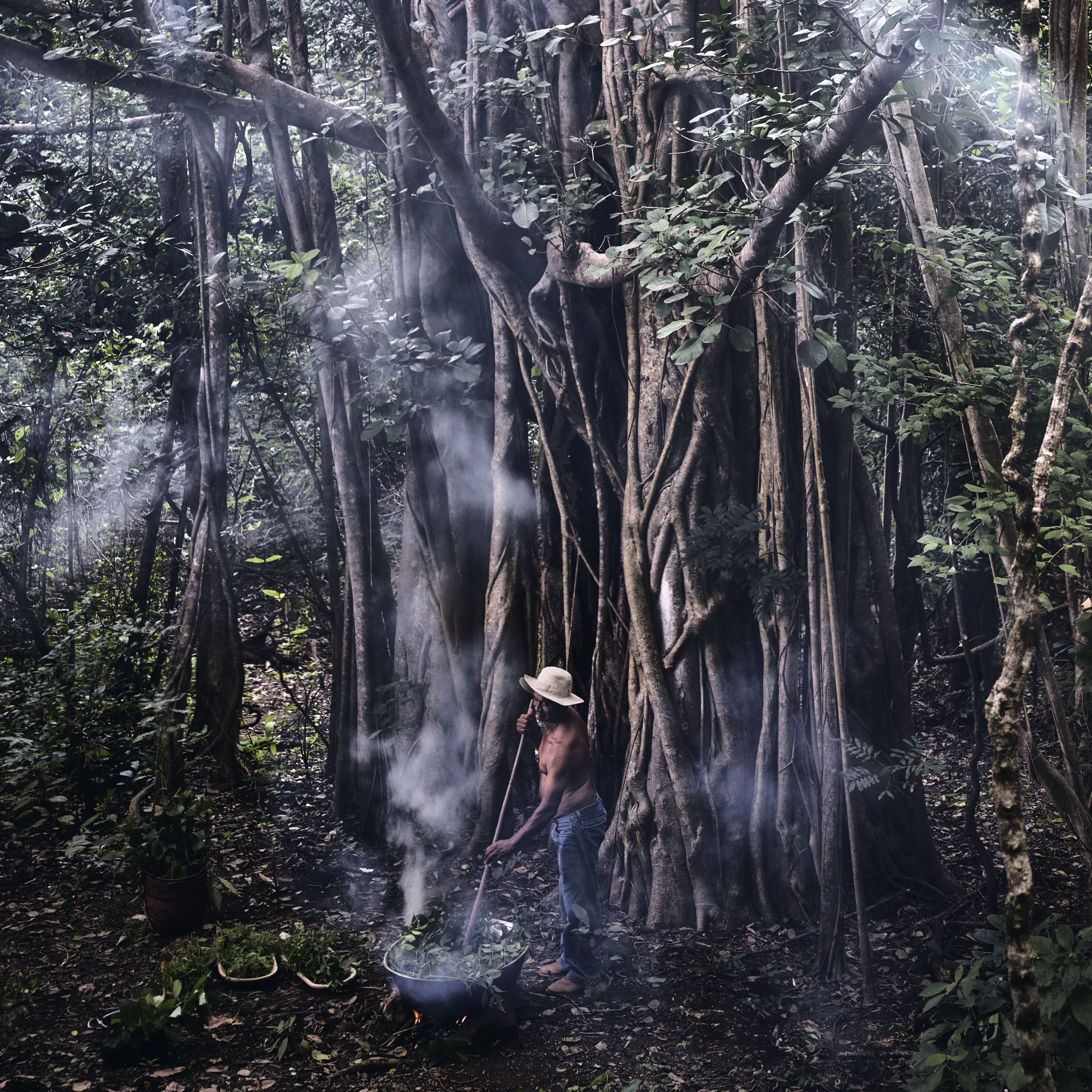
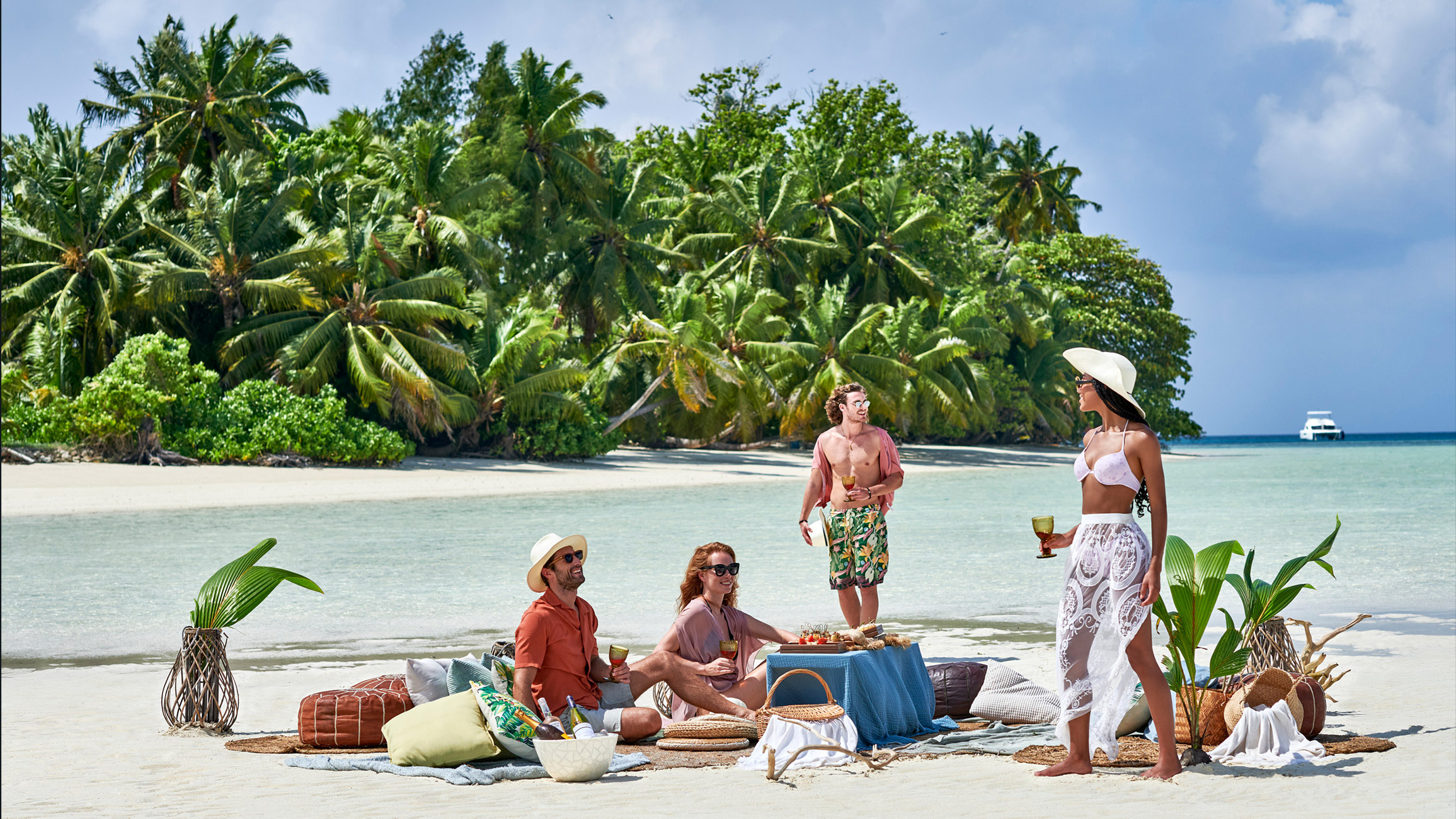
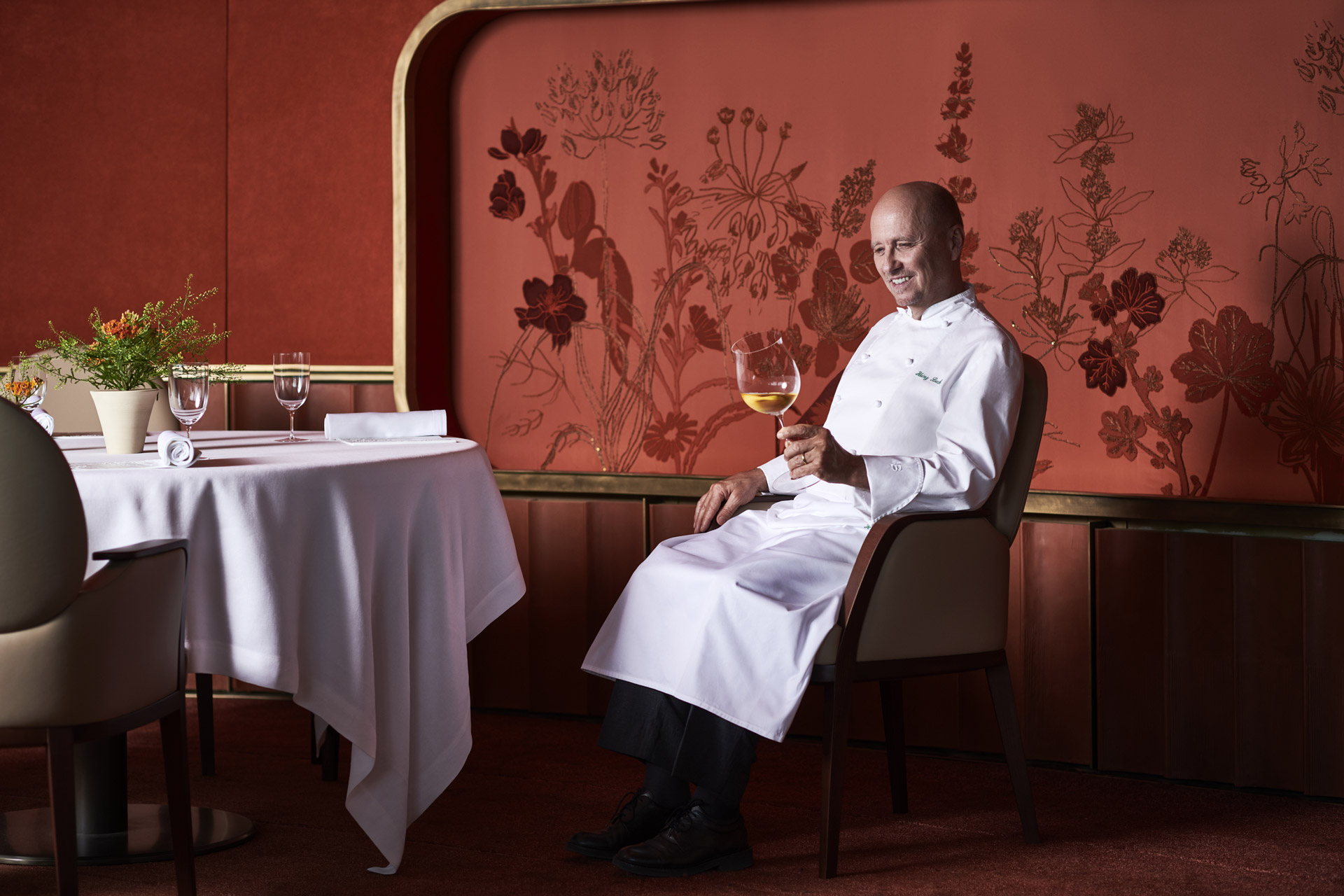
In his 30+ years career has travelled the world shooting architecture, lifestyle and staged photography for the most important international Luxury hospitality brands and magazines. Either on commercial assignments or personal work Antonio is obsessed in the pursue of Beauty in its several visual forms delivering always a very recognisable style in every photographs he takes.
Clients
The Peninsula Hotels, Hong Kong and Shanghai Hotels, Waldorf Astoria Platte island Seychelles, Hilton Seychelles, Waldorf Astoria on the Bund Shanghai, Rome Cavalieri Waldorf Astoria, Waldorf Astoria Dubai International Financial Center, Palazzo Versace, Chevrolet cars, Bluserena, Ras al Khaimah Tourism Authority, MSC Cruises, Berlucchi Wineries, Shangri-la Dubai, Intercontinental Dubai, Royal Jet Abu Dhabi, National Aviation Services Abu Dhabi International Airport, Zaya Nurai Island, TDCI Abu Dhabi, Saadiyat Beach Club, Seabourn Yachts, Continental Airlines, The country of Costa Rica’s Tourism Board, Tiscali, Thotel, Fortyseven Hotel, Mondadori Electa, Energit, CERN, Regione Autonoma della Sardegna, Cala Luna Hotel and Villas, CERN, the ALICE experiment, Ruya, BBDO Garnier, Mc cann Erickson middle east, Latitude, Zimmerman, SED +, Subtitle.
Editorial
Vogue Italia, The Peninsula Magazine, Architectural Digest, Bell’Italia, Bell’Europa, In Viaggio, Panorama Economy, Gente Viaggi, Bon Appetit, Town and Country.